Renting vs. Buying an Inclined Material Hoist: Which Makes Sense for Your Business?
Share Article
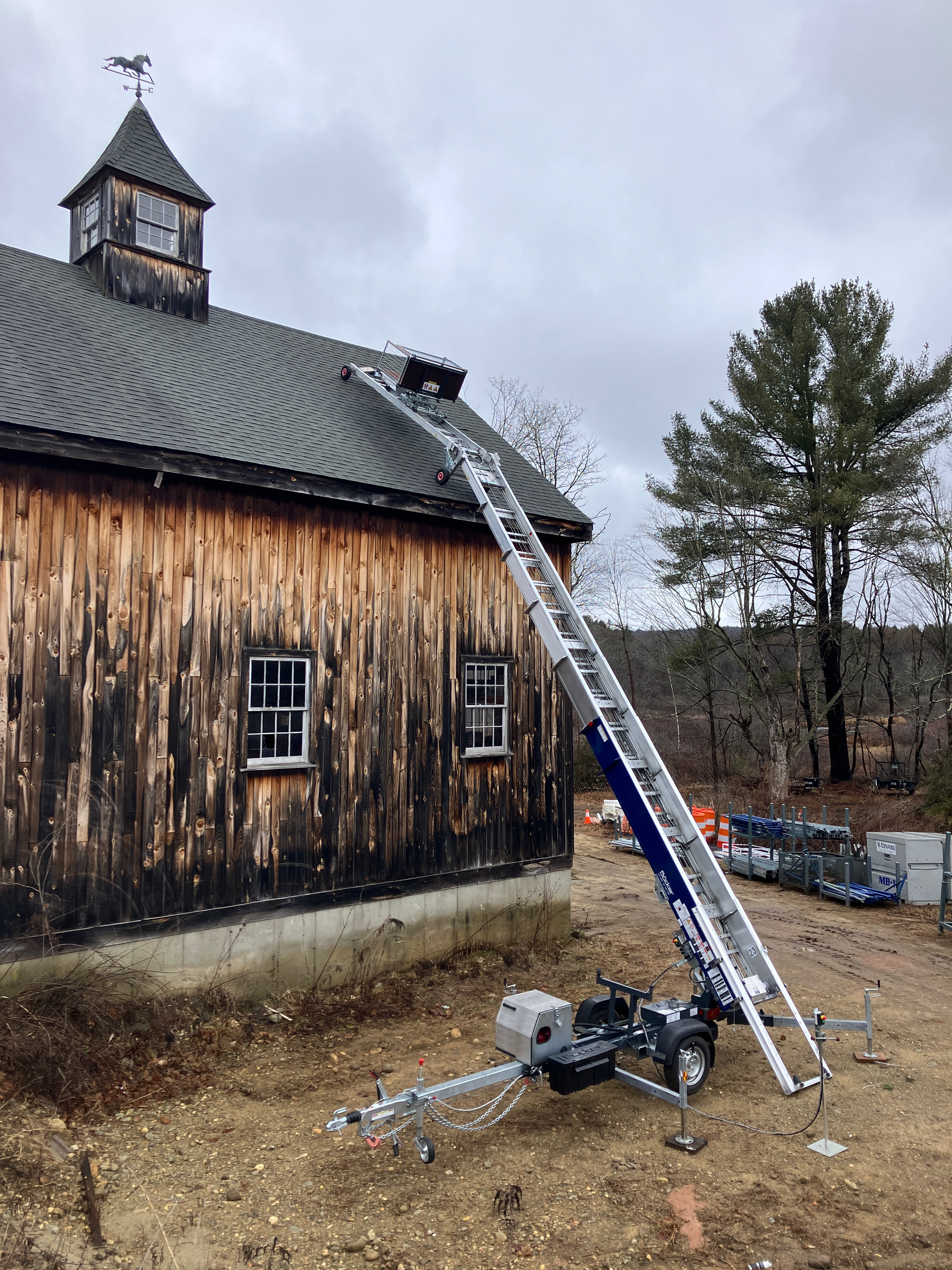
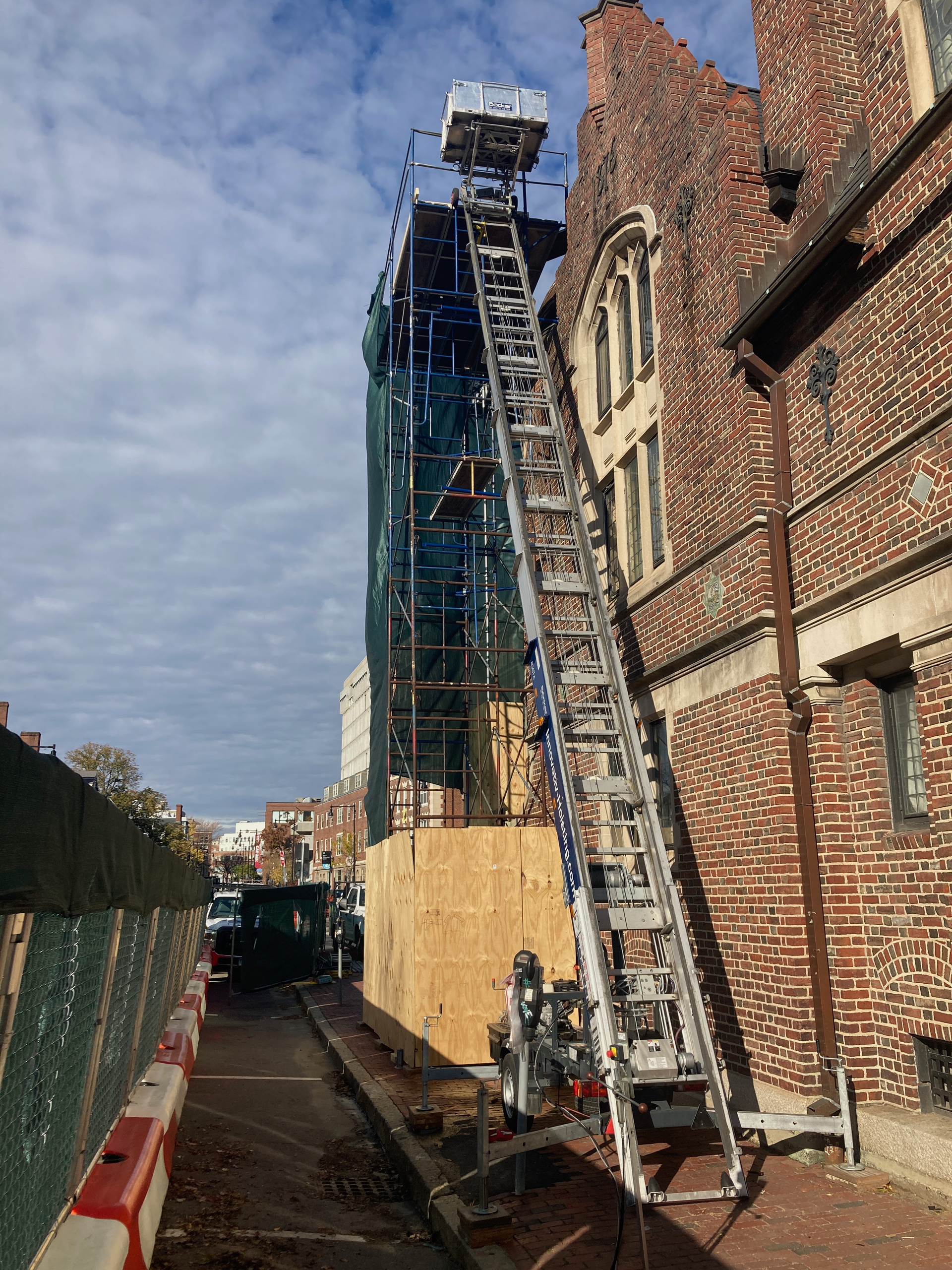
If you've used a ladder hoist or inclined material hoist on a jobsite recently, you already know how much time these machines can save on a roofing tear-off, a window install, or a masonry job where every trip up the ladder is wasted labor. The bigger question for a growing roofing or construction business isn't whether you need one; it's deciding if it makes more sense to rent one when specific jobs come up or invest in owning your own equipment.
The right choice depends on several factors, including how frequently you use the equipment, the types of projects your crew takes on, your company’s approach to larger purchases, and the availability of local rental equipment. This guide breaks down the advantages and limitations of both options so you can figure out what makes the most sense for your business.
The Case for Renting
Renting is the lower-commitment option, and for many contractors, it makes the most sense, especially when work volume changes throughout the year or certain jobs only come up occasionally.
A Good Way to Learn What Fits Your Work
If your company has never used an inclined material hoist before, renting gives you the chance to test different setups before making a larger investment. Some jobs only require a compact ladder lift, while others require greater height and lifting capacity.
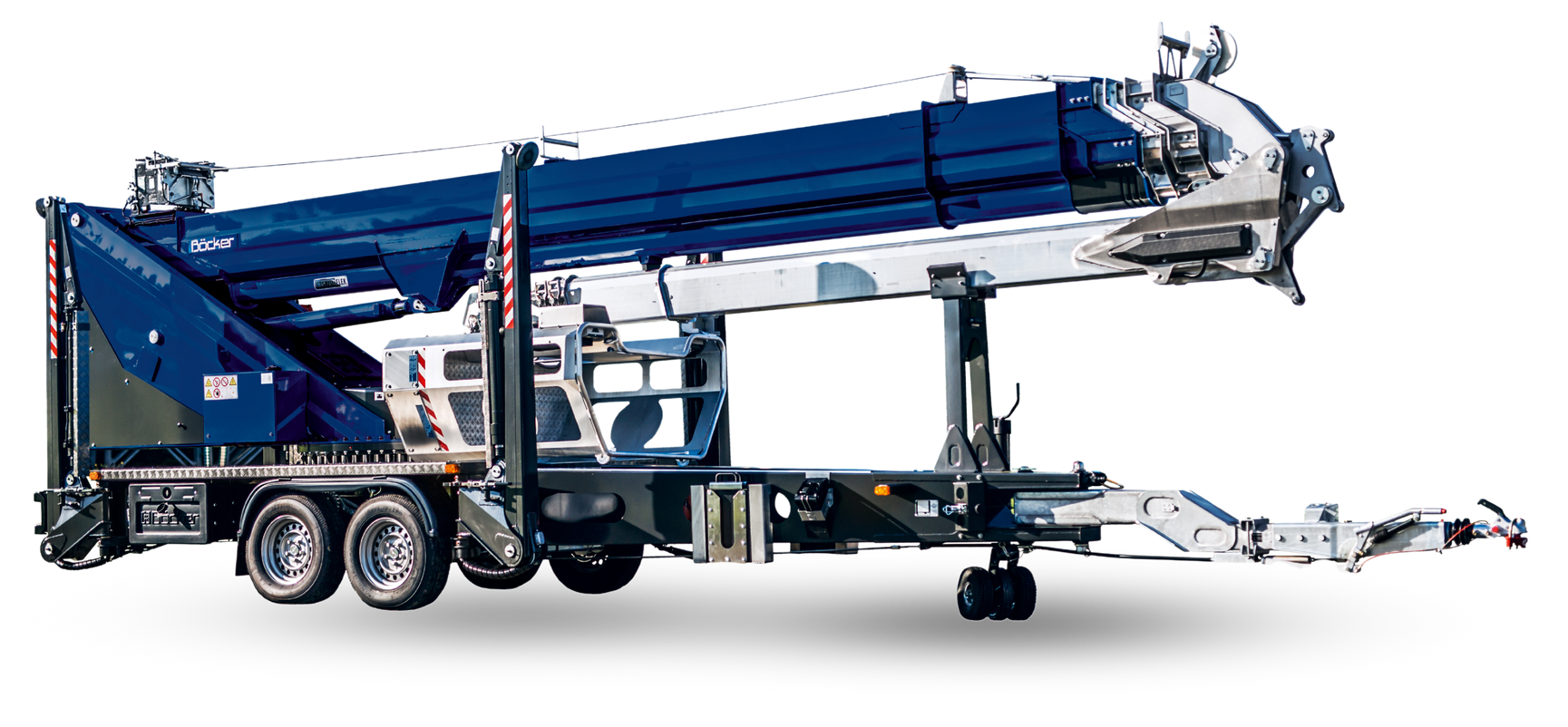
For example, the Böcker Junior 77 H reaches 77 feet and handles up to 550 pounds, while the Avario 85 H reaches 85 feet and supports up to 880 pounds. Using different models on real projects gives contractors a better understanding of what works best for their crews and the type of jobs they handle most.
Pay for It When You Need It
Rental equipment is typically priced by the day, week, or month, so you're only paying for the hoist during active projects. That helps keep overhead more manageable during slower stretches and gives growing companies more flexibility instead of tying money into equipment that may sit unused between jobs.
Less Maintenance and Fewer Storage Concerns
When you rent, the rental company handles inspections, service, repairs, and replacement parts. You also avoid giving up shop or yard space to store large equipment when it is not in use. If an issue arises during the rental period, the provider is usually responsible for quickly getting the machine back up and running so your crew can stay on schedule.
Helpful for Larger or Less Common Projects
A standard ladder hoist may handle most day-to-day roofing or siding work, but larger homes, steep-pitch roofs, and multi-story projects require additional reach or lifting capacity. Renting allows contractors to take on those jobs without committing to equipment that may only get used a few times each year.
More Contractors Are Choosing Rentals
Equipment rentals have continued to grow across the construction industry as businesses look for ways to stay flexible and reduce upfront costs.
According to the American Rental Association, construction and industrial equipment rental penetration reached a record 57% in 2024, showing that more contractors are choosing to rent equipment instead of purchasing it outright. Financial flexibility, changing project demand, and ownership costs continue to be major reasons behind that shift.
The Case for Buying
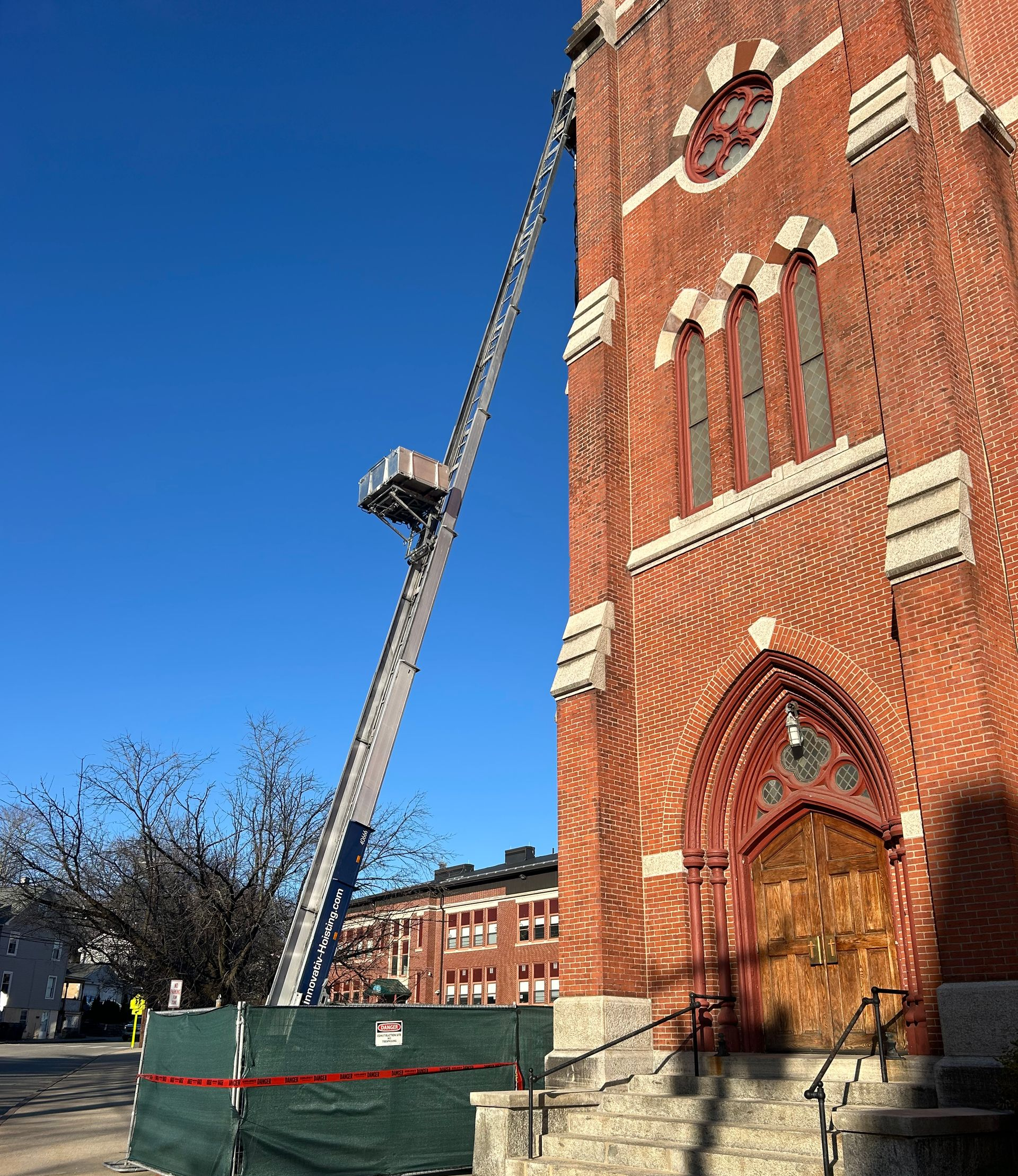
Once your company starts using an inclined material hoist on a regular basis, ownership can start making more financial and operational sense. For contractors with consistent project volume, buying equipment can reduce long-term costs and make scheduling a lot easier.
Lower Costs Over Time for Frequent Use
If your crews are using a hoist on most jobs throughout the year, rental costs can add up fast. Roofing contractors, solar installers, masonry companies, and window replacement crews that regularly move materials to upper levels usually reach a point where ownership becomes the more cost-effective option.
While many contractors use general equipment guidelines like “60–80 rental days per year” to justify ownership, inclined material hoists often deliver ROI much faster because of the labor and heavy equipment rental costs they can eliminate.
On many jobsites, an inclined hoist can dramatically reduce the time and manpower required to move materials. Tasks that would normally require workers carrying materials up ladders, stairs, or scaffolding can often be completed in seconds with a hoist. For many contractors, that becomes significant labor savings and improved jobsite efficiency.
Inclined hoists can also help reduce dependence on crane rentals for material hoisting. In many cases, the cost of a few crane jobs over the course of a year can approach the annual financing cost of owning a hoist outright.
Every company’s numbers are different, but for contractors who frequently move roofing, scaffolding, solar, or masonry materials, ownership can make financial sense much sooner than with traditional construction equipment.
Equipment Is Ready When Your Crew Is
Owning your own hoist removes the uncertainty that can come with rentals. You do not have to make availability calls, adjust schedules around booked equipment, or wait several days for the right machine to open up during busy seasons.
Having equipment ready to go can also help contractors take on last-minute projects, respond faster to customer requests, and keep jobs moving without delays tied to rental logistics.
Tax Advantages Can Help Offset the Investment
Equipment purchases can also provide tax advantages depending on your business structure and the current tax year. Programs such as Section 179 and bonus depreciation may allow businesses to deduct a large portion of the equipment cost earlier than expected.
Before purchasing, it is worth having a conversation with your CPA to understand how the investment fits into your company’s larger financial strategy.
Owning Equipment Can Strengthen Your Brand
Specialized equipment can also become part of how your business markets itself. Contractors who own inclined material hoists can position themselves as better equipped for demanding projects, tighter timelines, and larger homes or commercial jobs.
Showing up with a Böcker inclined material hoist also gives homeowners and general contractors confidence that your crew is using equipment designed to improve efficiency and reduce unnecessary manual labor on the jobsite.
Consistent Equipment Helps Crews Work More Efficiently
Inclined material hoists help reduce repetitive lifting and carrying, which can improve jobsite safety and reduce physical strain on crews throughout the workday. When the same equipment is used regularly, crews become more comfortable operating it efficiently, loading materials properly, and working faster overall.
For companies using a hoist frequently, having equipment staged and ready for every project can create a smoother workflow from start to finish.
The Honest Middle Ground: A Hybrid Approach
For many growing contractors, the decision is not completely one or the other. A hybrid approach is common, especially for companies balancing steady day-to-day work with occasional larger projects that require different equipment.
Own the Equipment You Use Most
One of the most common setups is owning the hoist that handles the majority of your work and renting larger equipment only when specific projects require additional reach or lifting capacity.
For example, a contractor may purchase a Böcker Junior 77 H for standard roofing and exterior work, then rent a larger Avario or Arriva model for taller buildings, steep-pitch projects, or commercial jobs. That setup keeps ownership costs more manageable while still giving crews access to larger equipment when needed.
Rent First, Then Reevaluate
Some contractors choose to rent during the first year while tracking how frequently the equipment is actually being used. This gives businesses real numbers to work from instead of making a decision based on assumptions.
If rental days consistently climb past the break-even point, ownership may start making more sense financially. If usage stays inconsistent, continuing to rent can help maintain flexibility without taking on additional long-term costs.
Use Rentals While Expanding Into New Markets
Renting can also make sense when testing a new service area or adding a new type of work to your business. Instead of purchasing equipment immediately, contractors can use rentals to gauge demand and see if the additional workload is consistent enough to justify ownership later on.
That approach reduces risk while still allowing companies to pursue larger projects and expand their capabilities.
The Cost Breakdown: What You Should Actually Compare
When comparing renting versus buying, the real numbers go beyond the purchase price or the daily rental rate. The better comparison is the total yearly cost tied to each option.
Costs to Consider With Rentals
Renting keeps upfront costs lower, but there are still several ongoing expenses that should be factored into the total.
- Daily, weekly, or monthly rental rates
- Delivery and pickup charges
- Fuel costs
- Damage waivers or rental insurance
- Time spent coordinating pickup, scheduling, and returns
Costs to Consider With Ownership
Owning equipment comes with higher upfront investment, but it also creates long-term value if the equipment is used consistently throughout the year.
- Purchase price or financing payments
- Insurance coverage
- Annual inspections and maintenance
- Repairs and replacement parts over time
- Storage space
- Transportation costs including fuel and towing time
- Depreciation, partially offset by tax benefits
- Resale value at the end of the equipment’s useful life
Compare Real Usage Numbers
One of the most useful exercises is reviewing last year’s projects and estimating how many days an inclined material hoist would have realistically been used on-site.
From there, compare your estimated annual rental costs against the annual cost of ownership spread over 5 to 7 years, including maintenance, storage, insurance, and transportation. Looking at actual project volume instead of relying on instinct usually gives contractors a much clearer picture of which option makes the most financial sense.
Why More Contractors Are Re-Evaluating This Decision
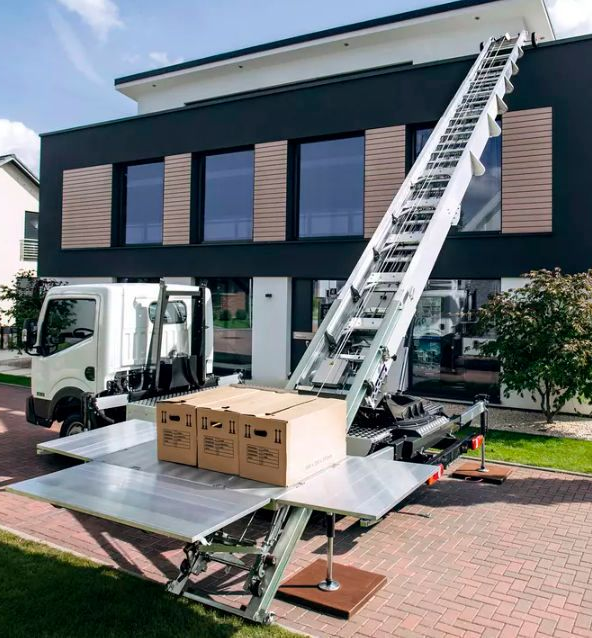
The rent-versus-buy conversation has changed quite a bit over the past several years as equipment costs, financing rates, and project timelines continue to shift across the construction industry. According to the American Rental Association’s Q4 2025 economic forecast, the U.S. construction and industrial equipment rental industry reached an estimated value of $80.6 billion by the end of 2025, with rental usage continuing to grow as contractors look for more financial flexibility and lower upfront costs.
At the same time, ownership still makes strong financial sense for contractors using inclined material hoists on a consistent basis throughout the year. The difference today is that more companies are taking a closer look at actual usage numbers, operating costs, and long-term workload before making a decision. Instead of relying on instinct alone, contractors are comparing real project data to determine which option fits the way their business actually operates.
The Bottom Line
For contractors only using an inclined material hoist a few times throughout the year, renting usually makes more financial sense. For companies using one regularly during busy seasons, ownership can lower long-term costs and give crews more flexibility from job to job. Businesses that fall somewhere in the middle usually benefit the most from reviewing actual project usage and comparing real annual costs before making a decision.
The most important thing is approaching the decision with real numbers instead of habit. Looking at your project volume, equipment usage, scheduling needs, and long-term business goals will usually make the right direction much clearer.
Talk With the Hoisting Equipment Experts
Innovativ Hoisting specializes in Böcker inclined material hoists, Böcker trailer cranes, Böcker construction lifts, and CTE Traccess aerial lifts for contractors throughout the East Coast, Mid-Atlantic, and Southeast.
If you are trying to decide between renting and buying, our team can help you compare models based on the type of work your crews handle most. We can also walk through real-world usage, equipment sizing, and long-term costs to help you make a decision that fits your business instead of pushing a one-size-fits-all answer.
- Request a quote for a Böcker inclined material hoist >
- Browse available rental inventory >
- Speak with our team at (860) 969-4477
- Visit us at 16 Tolland Turnpike, Willington, CT
Frequently Asked Questions
How many days per year do I need to use an inclined material hoist for buying to make sense?
There’s no exact threshold, because inclined material hoists often provide savings beyond simple rental costs alone. While general equipment guidelines may suggest 60–80 active use days per year to justify ownership, many contractors find inclined hoists pay for themselves much faster through labor savings, increased efficiency, and reduced reliance on crane rentals.
For companies regularly moving materials up ladders, scaffolding, or stairs, ownership can make sense even with a relatively small number of projects each year. In some cases, just a handful of crane-assisted jobs can equal the annual financing cost of owning a hoist.
Can I rent an inclined material hoist short-term and then apply payments toward a purchase?
Some dealers offer rent-to-own or rental-credit programs. It's worth asking. Contact our team to discuss options that fit your situation.
What's the difference between a ladder hoist, a ladder lift, and an inclined material hoist?
A ladder hoist or ladder lift is typically a lighter, ladder-style track designed for shingles and lighter materials. An inclined material hoist is a heavier-duty, trailer-mounted machine with greater reach, higher load capacity, and platforms designed for specific materials such as solar panels, windows, bricks, and scaffolding. We cover the differences in detail in our guide to ladder hoists vs. inclined material hoists.
Do I need a CDL to tow a Böcker inclined material hoist?
No. Böcker inclined hoists are designed to be trailer-mounted and towable under CDL, meaning you can move them with your existing crew vehicle rather than requiring a heavy-equipment hauler. See the full Böcker inclined hoist lineup for tow specs by model.
What kind of training does my crew need to operate one safely?
Operators should be trained on setup, load limits, platform attachments, and shutdown procedures. Innovativ Hoisting provides operator training for customers who want to make sure their crews are running the equipment safely and efficiently.
Which Böcker model is most popular for roofing contractors?
The Junior 77 H and Avario 85 H are the most common choices for residential and light commercial roofing. They offer enough reach for most multi-story homes while staying compact and easy to tow. For taller commercial work, the Arriva 119 series adds significantly more reach.
What industries use inclined material hoists most?
Roofing, masonry, solar installation, window and door replacement, facility maintenance, and general construction. Any trade that regularly moves materials up to elevation can benefit.